
Winter can feel like the world dimmed the lights and forgot to turn them back up. ❄️ Seasonal Affective Disorder is real, and even without a diagnosis, many people feel flatter, foggier, and more tired this time of year. The goal isn’t to “power through” winter. It’s to work with it.
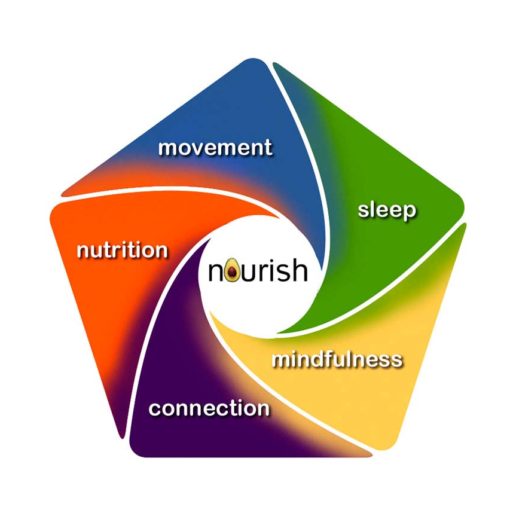
Here’s a practical, bite-sized guide using the Nourish Five Foundations of Health, plus a few extra supports that help winter feel more livable, even cozy.
A Winter Survival Guide
Nourishment for Energy, Mood, and Motivation
Winter bodies crave warmth, steadiness, and enough fuel.
- Eat warm foods daily. Soups, stews, roasted vegetables, oatmeal, eggs. Warmth signals safety to your nervous system.
- Don’t under-eat. Short days and cold temps increase energy needs. Restriction can amplify low mood.
- Prioritize protein early in the day. It supports blood sugar and neurotransmitters that influence mood.
- Add color on purpose. Citrus, squash and greens all hold vital energy.
- Vitamin D check. Many people are low in winter. Get tested and supplement if needed.
Sleep for Energy, Mood, and Motivation
Winter asks for rest, but modern life rarely cooperates.
- Anchor your wake-up time. Even if bedtime varies, waking at the same time stabilizes circadian rhythm.
- Morning light matters. Get outside early or sit near a bright window. Light wakes up your brain.
- Wind down earlier. Darkness comes sooner; your nervous system notices even if your calendar doesn’t. You might need to exercise some new boundaries on this one.
- Protect sleep from doom-scrolling. Winter brains are more sensitive to stimulation and stress. Consider what’s in your feed and how you can get rid of triggers.
Movement for Energy, Mood, and Motivation
Movement creates happy hormones. A dose of movement can make it happen.
- Every bit counts. Ten minutes counts. Five minutes counts. Showing up counts.
- Move indoors creatively. Stretching, strength, dancing, mobility work. No special setup required.
- Get outside when you can. Even gray light helps regulate mood and sleep.
- Think “daily motion.” Consistency is what your looking for here.
Mindfulness for Energy, Mood, and Motivation
Winter darkness tends to turn thoughts inward, sometimes sharply.
- Reframe. Saying “This might be winter talking” can soften self-criticism.
- Short grounding rituals help. Lighting a candle, making tea, a 2-minute breathing pause, 5-minute meditations.
- Limit mental isolation. Rumination grows in quiet, disconnected spaces.
- Practice self-compassion. Winter is not a productivity contest. Gentleness is what winter calls for.
Connections for Energy, Mood, and Motivation
Isolation can sneak up on us.
- Schedule connection on purpose. Coffee dates, walks, standing weekly calls. Don’t wait for someone to call you.
- Wave. Smile. Say Hello. Connection doesn’t need to be deep or long to be supportive.
- Use shared rituals. Book clubs, group classes, weekly dinners, recurring check-ins.
- Don’t be shy. Ask for support. Seasonal Affective Disorder can make everything feel heavier.
Other Winter Helpers for Energy, Mood, and Motivation
These don’t fit neatly into one foundation, but they matter.
- Nature doses, even in cold weather, reduce depressive symptoms. This is by far our favorite idea!
- Create something. Writing, cooking, knitting, building, music. The process of creativity is satisfying.
- Plan something to look forward to. Small trips, projects, or seasonal traditions give winter shape.
- Get professional support if needed. Therapy and medication are valid, effective tools for SAD.
A final winter thought
Winter feels hard for some of us. Remember, you’re a human responding to biology, light, temperature, and rhythm. Meet the season with care.
We also write reflectively on Substack where we can have a conversation.